Mastering Septic System Maintenance: Tips from the Experts Mar 18, 2026
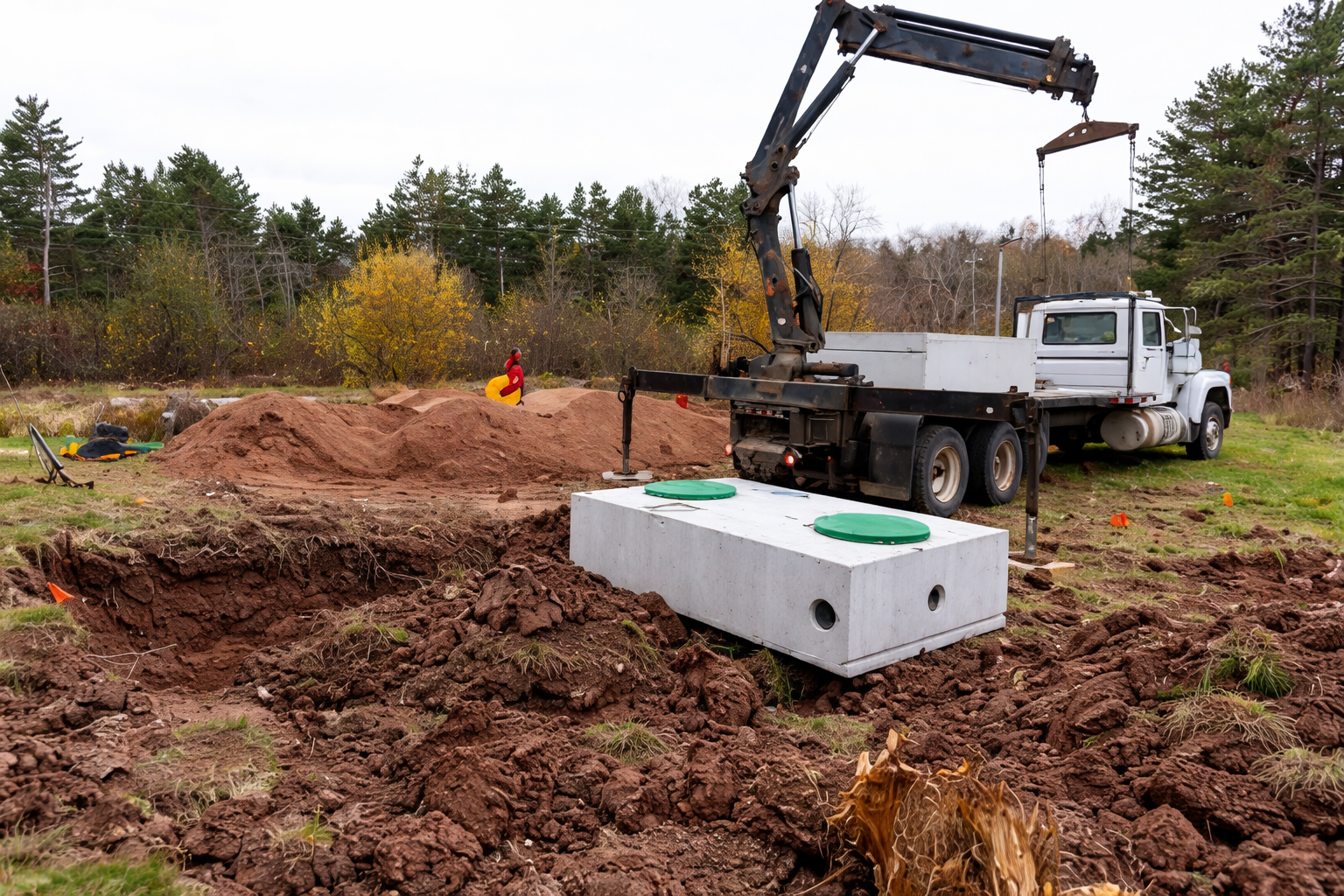
To begin with, it’s crucial to understand the basics of how a septic system works. The system involves a tank and a drain field, where wastewater is naturally treated. Solid waste settles in the tank, while the liquid effluent flows into the drain field. Failing to maintain this delicate balance can lead to backups, system failure, and costly repairs.
The first step in septic maintenance is regular inspection and pumping. We recommend having your system inspected every three years by a professional and pumped as needed, typically every three to five years. This process removes sludge and prevents overflow, ensuring that your septic system operates efficiently.
Being mindful of what goes down your drains is another critical maintenance tip. Avoid flushing anything other than human waste and toilet paper. Items like diapers, feminine hygiene products, and paper towels can cause blockages and damage your system. In the kitchen, use a drain strainer to catch food particles and grease, which can accumulate and create clogs.
Water conservation plays an essential role in septic system health. Excessive water use can overwhelm the system, preventing solids from settling and increasing the risk of system failure. Simple changes, like fixing leaks, installing high-efficiency fixtures, and spreading out laundry loads, can significantly reduce water usage and benefit your septic system.
Additionally, landscape management is often overlooked but equally crucial. The area above your septic tank and drain field should remain clear of any large trees or shrubs, as their roots can invade and damage the system. Plant only grass in this area to prevent root intrusion and maintain easy access for maintenance.
Regularly using septic-safe products is also advisable. Standard household cleaners and detergents can disrupt the natural bacterial balance in your tank, hindering the breakdown of waste. Opt for septic-safe cleaning products and avoid using harsh chemicals that can damage the system’s bacteria.
Recognizing early warning signs of septic trouble can help you avoid bigger issues down the road. Common indicators include slow drains, gurgling pipes, sewage odors, and water pooling around the drain field. If you notice any of these signs, it’s important to contact septic professionals immediately to assess and resolve the issue before it escalates.
In conclusion, effective routine maintenance of your septic system is key to preserving its functionality and avoiding expensive repairs. By following these expert tips from Septic Pros LLC—regular inspections and pumping, mindful waste disposal, water conservation, proper landscape management, and using septic-safe products—homeowners can ensure their septic system remains in top condition. Remember, addressing potential issues early with professional help can save you time, money, and stress in the long run. For more detailed guidance or to schedule an inspection, feel free to reach out to Septic Pros LLC, and let us help you keep your system running smoothly.
/filters:no_upscale()/filters:format(webp)/media/547f2432-0488-400a-9211-482cf984c96c.jpeg)