The Science Behind Septic Systems: Understanding How They Work May 20, 2026
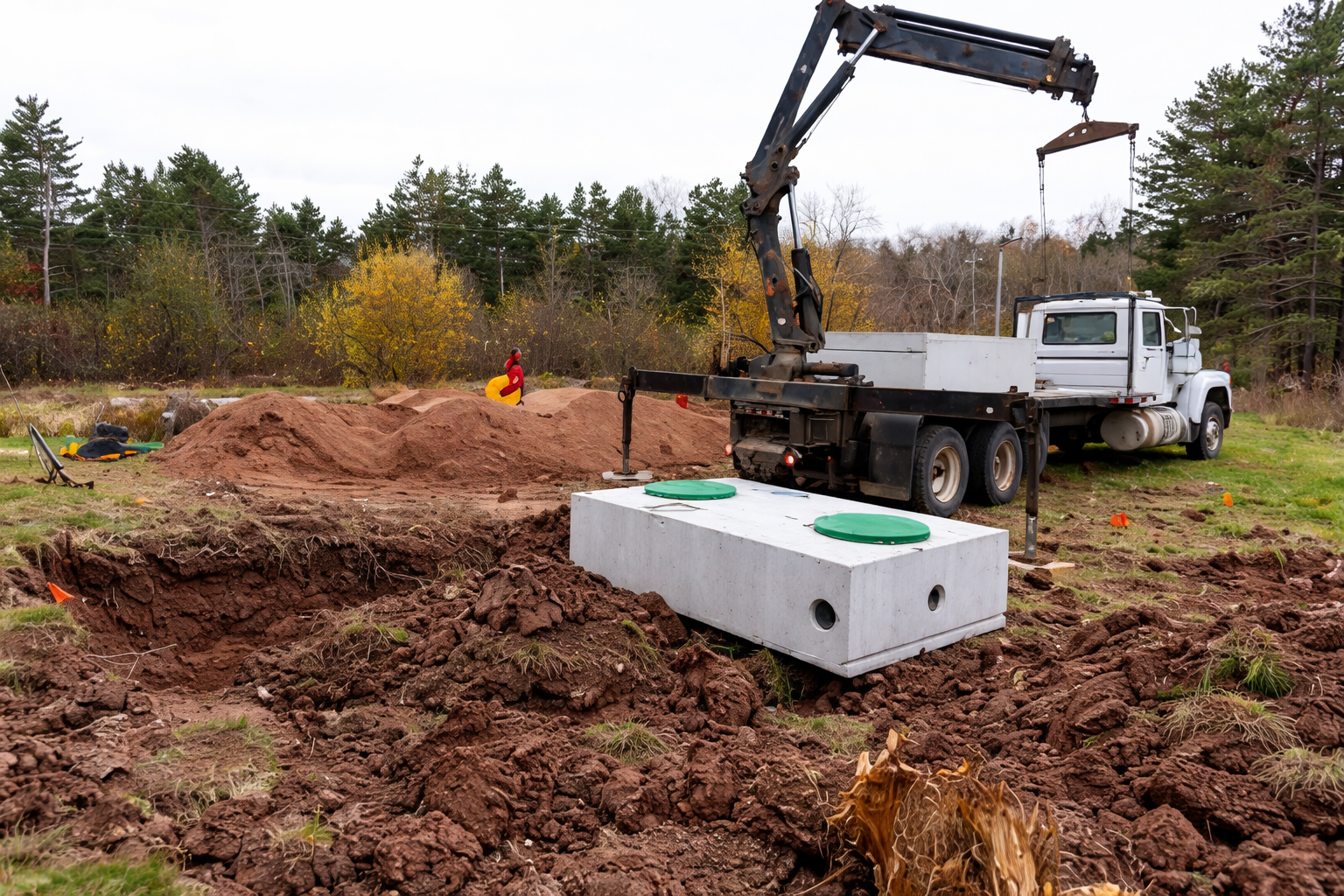
A typical septic system has three main components: the septic tank, the drainfield, and the soil. Each part plays a crucial role in ensuring that wastewater is treated efficiently before it safely returns to the environment. Beginning with the septic tank, this underground container is designed to hold the wastewater that flows from household plumbing. Made from concrete, fiberglass, or plastic, the tank separates solids and floatable matter from the water. The waste settles to the bottom as sludge while oils and grease form scum that floats to the top. Bacteria in the septic tank help break down these solids, a natural process critical for reducing the volume of waste.
Once the initial separation occurs, the partially treated water, or effluent, flows out of the tank into the drainfield. The drainfield is a shallow, covered excavation made in unsaturated soil. A filter is sometimes used to further clean the wastewater before it is distributed. Here, the effluent is delivered through a series of perforated pipes, allowing the liquid to trickle into the surrounding soil. The soil itself plays a vital part by naturally removing harmful bacteria, viruses, and nutrients, ultimately protecting the groundwater beneath.
This finely tuned process highlights the importance of soil quality. Poor soil conditions, such as clay which restricts water flow, can lead to system failure. Conversely, healthy, well-drained soil ensures that the treated wastewater is absorbed efficiently. Regular system inspections by professionals, like those offered by Septic Pros LLC, can preempt issues related to soil compaction or blockages in the drainfield.
Another key aspect of septic system science is maintaining the biological balance within the tank. Regular pumping is essential to control the buildup of sludge, preventing overflow or backup into the house. Most tanks should be pumped every three to five years, depending on the household size and water usage. Additionally, being mindful of what enters the system can preserve its balance. Non-biodegradable items, harsh chemicals, and excessive waste can hinder the bacteria needed for breakdown, disrupting the system's efficiency.
Technological advancements continue to improve septic system efficiency. Modern systems often come equipped with alarms that alert homeowners to potential issues before they become significant problems. Emerging technologies like aerobic treatment units aim to enhance the breakdown of waste with the introduction of oxygen, further promoting the healthy bacterial environment needed for a system's success.
Understanding the science behind septic systems empowers homeowners to take proactive steps in maintenance, preventing costly repairs and ensuring their system's longevity. Septic Pros LLC is committed to providing expert guidance and services to support this goal. Remember, a healthy septic system not only protects your home but also contributes to the broader health of our environment.
In conclusion, from the complex work of bacteria in septic tanks to the natural filtration provided by soil, each component works harmoniously to treat wastewater effectively. By appreciating these processes and committing to regular maintenance, homeowners can ensure their septic systems run smoothly for years to come. If you need advice or service, don't hesitate to reach out to Septic Pros LLC for assistance.
/filters:no_upscale()/filters:format(webp)/media/547f2432-0488-400a-9211-482cf984c96c.jpeg)